
Key takeaways
- Your exact hardwood product, installation method, adhesive, and Mike’s job-specific instructions determine furniture return timing.
- Ask separately about walking, regular furniture, heavy items, and rugs.
- Confirm who handles removal and return. Do not assume furniture moving is included.
- Prepare suitable furniture pads, moving protection, and a measured route before moving day.
- Review the finished room with Mike and maintain your selected flooring product’s required indoor conditions.
Plan moving furniture back after hardwood installation before the work starts. Your selected factory-finished hardwood, installation method, any adhesive used, and Mike’s job-specific instructions determine when furniture can return. There is no single waiting period that fits every floor.
For your Taneytown home, the practical goal is simple: know when each item can return, who will move it, and how it will reach its place without damaging the new floor.
1. Identify your exact flooring product and installation method
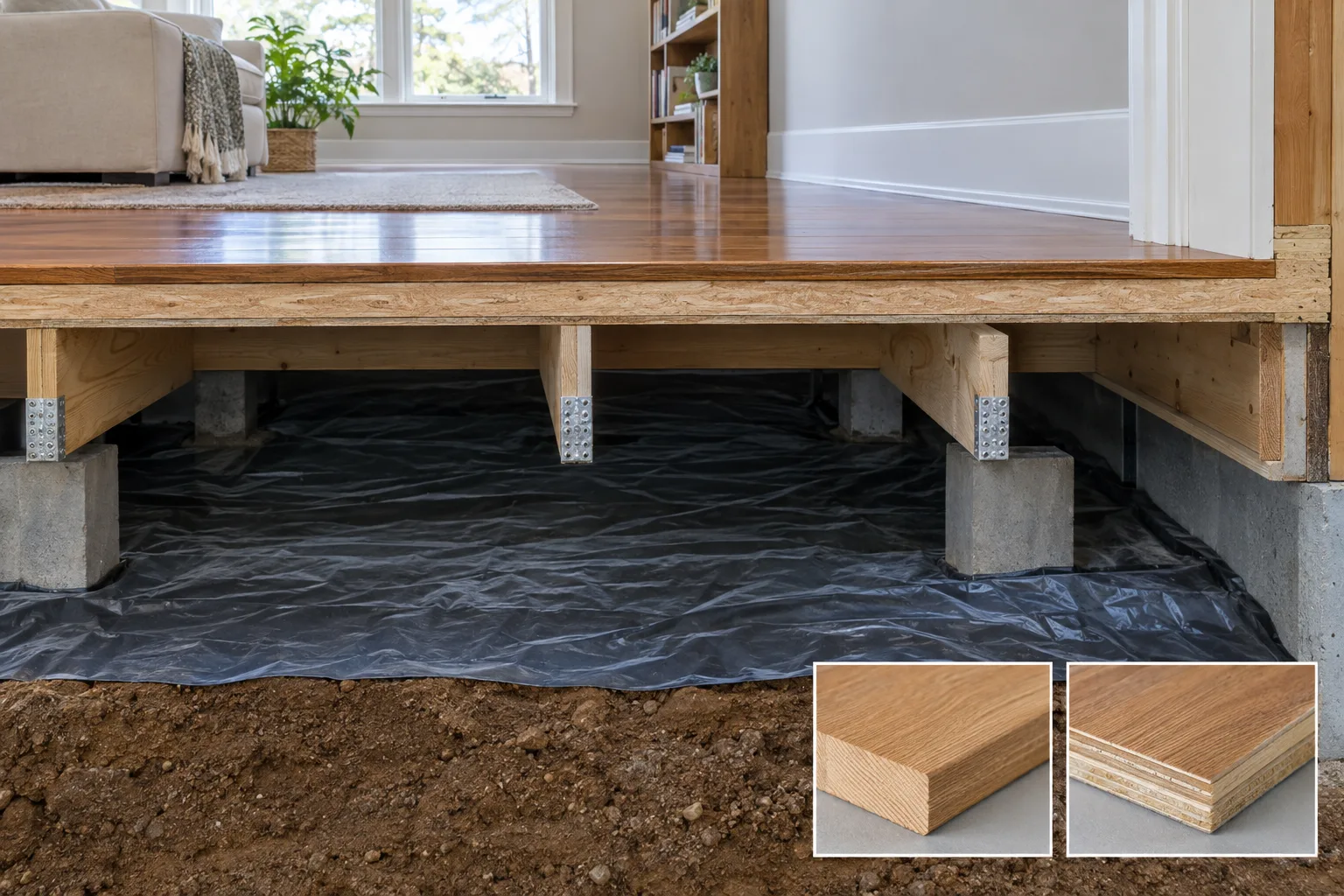
Start with the exact flooring product, not just the words “prefinished hardwood.” Keep the manufacturer, product name, and installation instructions available. Confirm the installation method with Mike, including whether adhesive will be used.
These details matter because a factory-applied finish does not settle every move-back question. The installation system can still have restrictions on furniture placement or heavy loads.
For example, Bruce’s engineered-hardwood installation guide specifies furniture placement after 24 hours within its glue-down instructions. That is a product-and-method example. It is not a waiting period to apply to every hardwood installation.
When discussing hardwood floor installation with Mike, bring your product information and furniture questions together. Ask which instructions apply to your selected floor before booking the return of furniture.
You can select hardwood at Baltimore Floor Works, 142 Railroad Ave., Westminster, or at Lowe’s or Home Depot. You can buy it yourself, or Mike can order the floor you picked, usually through Baltimore Floor Works. Mike does not bring samples to your house. Keep the exact product details with your move-back plan.
This article concerns factory-finished hardwood installation. Mike does not sand, refinish, stain, or finish unfinished floors. Waiting periods for those jobs should not be carried over to this work.
2. Confirm separate instructions for walking, furniture, heavy items, and rugs
Permission to walk through a room should not be treated as permission to roll in a refrigerator or place a loaded cabinet. Ask about each kind of use separately.
Use this checklist during planning and again before furniture returns:
| Use or item | What should you confirm? |
|---|---|
| Walking | When can you enter and use the room on foot? |
| Regular furniture | When can chairs, tables, beds, and sofas return? |
| Heavy items | What timing and protection apply to appliances, pianos, safes, or large cabinets? |
| Rolling furniture | What casters, mats, or other protection does the flooring maker allow? |
| Rugs | When can rugs go down, and which backing and pad materials are suitable? |
Ask Mike how he will provide the job-specific instructions. Keep them somewhere you can share with anyone helping you move.
If the product instructions and a mover’s proposed schedule do not line up, resolve that before moving day. Do not let a truck reservation become the reason to return furniture too early.
3. Agree on who moves each item and where it waits
Confirm responsibilities before the work is scheduled. Do not assume furniture moving is included in the installation.
Ask Mike whether he will handle any items or whether you need to arrange all removal and return. Then identify anything that needs separate movers. A piano, safe, bulky appliance, or large cabinet deserves its own discussion.
Make a short inventory for each room:
- List the furniture that must leave.
- Name the person or company responsible for each item.
- Choose its temporary storage location.
- Note anything that needs disassembly.
- Decide which items need special equipment or additional help.
Keep the plan realistic. A sofa stored in the next room may block the only return route. A bed frame may fit through a doorway only after it is taken apart. Solve those problems while the room is still usable.
Before committing to a moving appointment, confirm the applicable return instructions. Discuss what happens if the room is not ready at the expected time. Your temporary storage plan should not depend on moving everything back as soon as installation ends.
4. Prepare suitable pads, protection, and a moving route
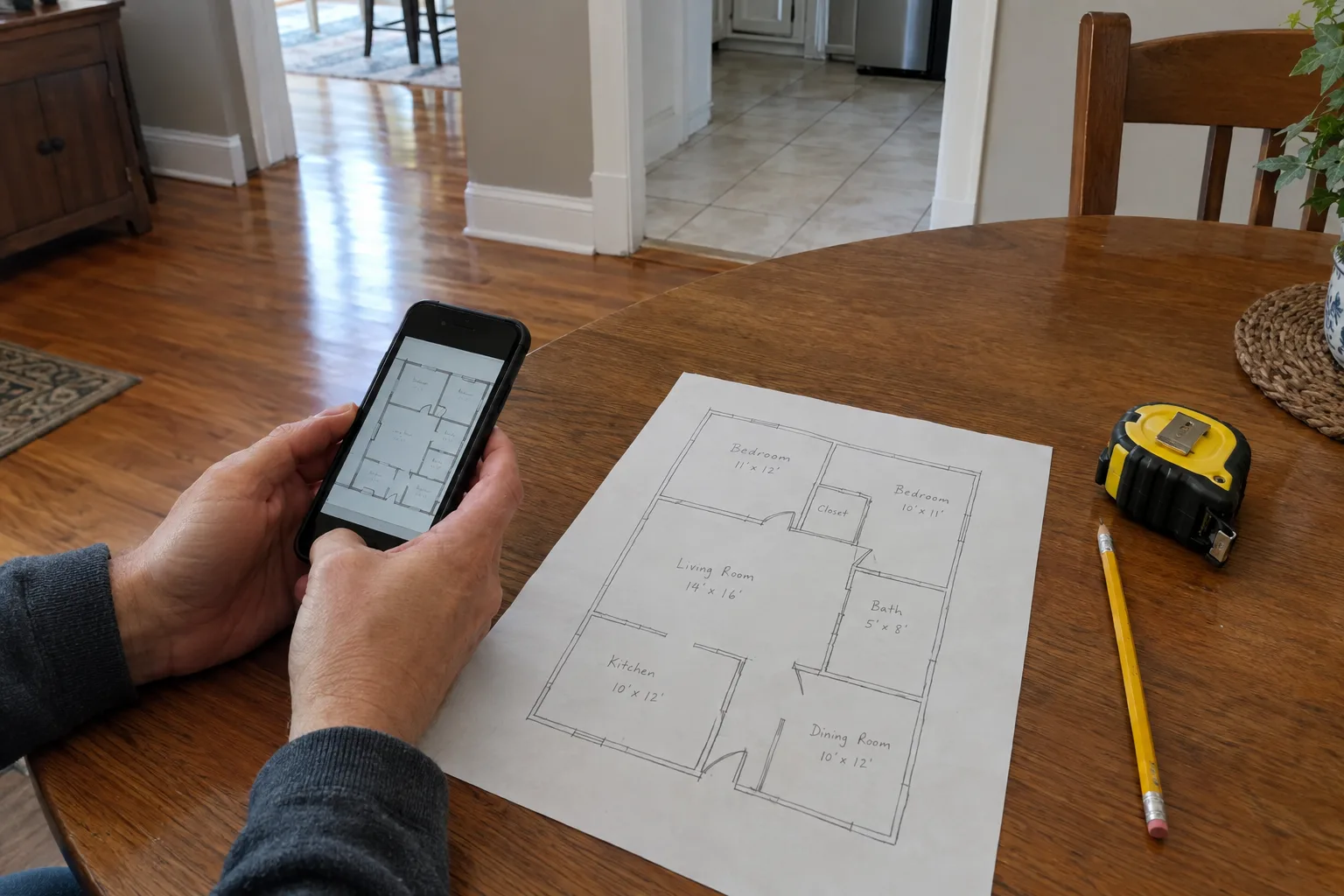
Walk the full route through your house before booking movers. Measure door openings and compare them with the furniture dimensions. Check tight turns, stairs, landings, and transitions between floor surfaces.
These are things to check in your particular Taneytown home, not assumptions about local houses.
Ask Mike whether doorway widths, stairs, temporary storage, and the furniture return route can be reviewed during the measuring visit. Confirm what can be covered rather than assuming this review is part of his standard process.
Write down the answers to these questions:
- Will stored furniture block access to the work area?
- Does a large item need to turn over a new transition?
- Can the moving crew lift and carry it safely?
- What protection is suitable for the floor and moving equipment?
- Which pieces should return first so the route stays open?
Plan the final placement before moving begins. Repeatedly shifting a heavy piece around the room creates avoidable handling.
Check furniture legs before they touch the floor
Have suitable furniture-leg pads ready before chairs, tables, and other pieces return. Inspect the bottoms of the legs first. Remove grit and replace damaged or dirty pads rather than carrying them onto the new hardwood.
Lift furniture instead of dragging it. Do not assume a blanket under a heavy piece makes sliding it acceptable.
Bruce’s engineered-hardwood guide includes guidance on lifting furniture, protecting furniture legs, and protecting hardwood when moving heavy items. Follow the instructions for your selected product rather than treating any moving device as suitable.
Ask Mike what protection should be ready for rolling chairs, appliances, pianos, and safes. Share the requirements with the people handling the move. Do not roll heavy items directly over the hardwood without an approved protection plan.
Rugs need a separate answer. Confirm both placement timing and compatible rug pads. A rug is not a substitute for moving protection.
5. Walk through the finished room with Mike
Arrange a walkthrough with Mike before furniture returns. Confirm readiness for the specific items you plan to bring back, not just for walking.
Review furniture timing, heavy-item restrictions, rugs, transitions, and the planned moving route. Keep the product instructions and any job-specific directions together. Share the relevant details with your movers or helpers.
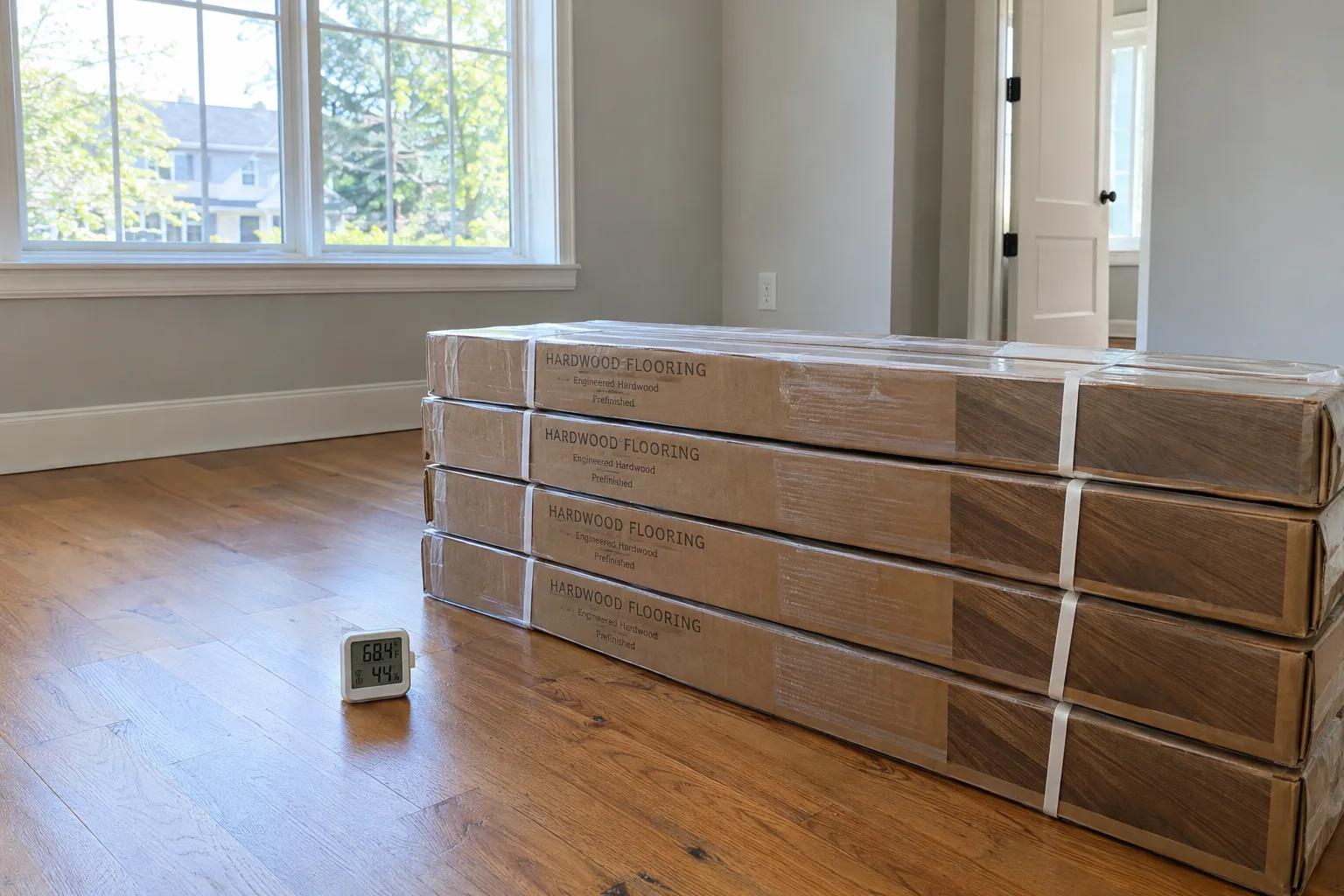
Include indoor conditions in this handoff. The end of installation does not mean temperature and humidity no longer matter. Wood can swell in humid conditions and shrink in dry conditions.
The National Wood Flooring Association’s homeowner guidance gives a general year-round range of 60 to 80°F and 30 to 50% relative humidity. Follow your selected flooring product’s requirements rather than treating those general numbers as a substitute for its instructions.
Keep normal heating or cooling operating as needed. An indoor humidity monitor can help you track the room. An outdoor forecast does not tell you whether the indoor space meets the flooring requirements.
Before the first piece returns, make sure you have four things: the applicable timing instructions, agreed moving responsibilities, suitable protection, and a clear route. If an answer is still missing, resolve it before the move begins.
Plan your hardwood installation and furniture return
For budgeting, current rates are on Mike’s pricing page. The estimate tool provides a preliminary range that is not a contract. Confirm furniture-moving responsibilities separately.
Call or text Mike at (410) 259-7094 to discuss your hardwood installation and move-back needs. Leave a voicemail if nobody answers.
Questions people ask
How long should you wait before moving furniture back after hardwood installation?
The timing depends on your exact hardwood product, installation method, any adhesive used, and Mike’s job-specific instructions. Confirm furniture placement separately from permission to walk on the floor.
Does Mike move furniture?
Ask Mike before scheduling. Do not assume furniture removal or return is included. Agree on who handles each item and identify any pieces that need separate movers.
Should you book movers before the installation begins?
Plan early, but confirm the product-specific furniture return timing before committing to a moving appointment. Arrange temporary storage in case the room is not ready when you first expected.
Can rugs go down when furniture returns?
Not automatically. Confirm rug placement timing and suitable backing and pad materials separately for your selected hardwood product.